
Willows (Y2 Mrs Wilcox)
Welcome to Y2 Willows!
Welcome to Willows! We hope you have an exciting learning experience this year.
Our team are Mrs Wilcox, Miss Lister and Miss Pearce.
Autumn 1
What will we be learning this half-term?
Reading – Your child should be reading 4 or more times a week using their phonics books or a reading for pleasure book. Parents will need to sign or comment in their child’s planner.
Spellings – Spelling lists will provided every Friday for your child to learn, with a spelling test to commence the following
Homework Menu
Homework can be presented in a variety of ways. Please ask your child’s class teacher if you are unsure. The homework task menu is below.
You may complete tasks in any order. One piece is expected each week but feel free to do all of them 😊
|
Science Living things, habitats and food chains Go on a walk in your garden, local park or street. Write Living or Non-living beside each picture or object. ⭐ Challenge ActivityChoose your favourite animal. Draw a picture and write:
⭐ Family ChallengeCan you explain these words to someone at home?
If you can explain all five, colour in a ⭐.
|
English
🦊 Character DetectiveThink about Fantastic Mr Fox. 1. Draw Mr Fox in the box below.⬜ (Large space for drawing) 2. Describe Mr FoxWrite words to describe Mr Fox. Word Bank (if needed):
📚 Reading ChallengeRead Chapter ________ of Fantastic Mr Fox with an adult. Ask someone at home these questions:
🌟 Extra ChallengeImagine you met Mr Fox. Write three questions you would like to ask him. |
Remember – these are just ideas – any homework of your own interest is just as important 😊 |
||||||||||||||||||||||||||||
|
Maths Place value
1. Partition the numbersSplit each number into tens and ones. Example: 34 = 30 + 4 a) 27 = ______ + ______ b) 51 = ______ + ______ c) 68 = ______ + ______ d) 45 = ______ + ______ e) 90 = ______ + ______ 2. Fill in the missing numbersa) 31, 32, ___, ___, 35 b) 46, ___, 48, ___, 50 c) ___, 72, 73, ___, 75 d) 89, ___, ___, 92, 93 3. Compare the numbersWrite <, > or =. a) 42 ☐ 24 b) 67 ☐ 76 c) 55 ☐ 55 d) 18 ☐ 81 e) 39 ☐ 43 4. Order the numbersWrite the numbers from smallest to largest. a) 41, 14, 31, 21 b) 68, 86, 48, 78 5. Find 1 more and 1 less
6. Problem Solving
⭐ ChallengeUse the digits 3, 5 and 8. Can you make:
|
Art Gustav KlimtShape, pattern and colour ⭐ Challenge 1 – Golden TreeDraw your own Tree of Life. Can you include:
⭐⭐ Challenge 2 – Pattern PictureDraw a picture of:
Fill the picture with different patterns like Klimt did. Ideas:
Colour it using bright colours and lots of gold or yellow. ⭐⭐⭐ Challenge 3 – Nature HuntGo for a walk and collect ideas from nature. Draw or photograph:
Create your own Klimt-inspired artwork using the natural objects you found. |
History - Changes in living memory - shopping Picture Challenge Draw a picture of: 🛍️ A shop from the past | 🛒 A shop today
Spot the DifferencesDraw or write three ways shopping has changed.
. Extra Challenge ⭐Tick the things that didn't exist or were not common many years ago. ☐ Self-service checkouts ☐ Online shopping ☐ Home delivery apps ☐ Contactless payment ☐ Plastic carrier bags ☐ Shopping with a basket
|
||||||||||||||||||||||||||||
Our PE day will be Wednesday this half-term -please ensure your child brings their PE kits daily or leaves them at school for the half-term as PE days can be subject to change or for additional PE days.
Children will receive new spellings each Friday which will be stuck in their planners -spelling tests will be on a Friday.
It is expected that children will read 4 times a week, practice spellings and times tables and bring a piece of homework on a Friday -either relating to the topic or of their own interests.
English
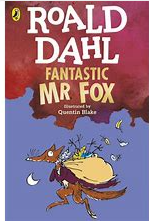
This half-term, Year 2 will be exploring the story Fantastic Mr Fox by Roald Dahl
Through reading and discussing the text, children will develop their reading, writing, speaking and listening skills. We will focus on understanding characters, making predictions, and explaining events from different points of view.
This half term, Year 2 will be exploring the exciting story Fantastic Mr Fox by Roald Dahl. This much-loved classic is full of adventure, humour and memorable characters. Through the story, children will develop their reading, writing, speaking and listening skills while enjoying one of the world's favourite children's books.
We will use the text to inspire a range of creative and purposeful writing activities while building confidence in grammar, punctuation and vocabulary.
What will we be learning?
Throughout this unit, children will learn to:
- Read and discuss different chapters of Fantastic Mr Fox.
- Predict what might happen next using clues from the text.
- Answer retrieval and inference questions.
- Explore the thoughts and feelings of different characters.
- Use exciting vocabulary to describe settings and characters.
- Sequence events from the story.
- Write in a range of genres inspired by the book.
- Edit and improve their own writing.
Writing Opportunities
Children will have the chance to write:
- Character descriptions
- Setting descriptions
- Diary entries
- Letters
- Instructions
- Story retells
- Alternative endings
- Their own adventure stories
Grammar Focus
This half term we will practise:
- Capital letters and full stops
- Question marks and exclamation marks
- Expanded noun phrases
- Coordinating conjunctions (and, but, or)
- Subordinating conjunctions (because, when, if, that)
- Past and present tense
- Adverbs
- Apostrophes for contraction and possession
- Accurate spelling of Year 2 common exception words
Reading Skills
We will continue to develop our VIPERS reading skills by learning to:
- Vocabulary – Explain the meaning of new words.
- Inference – Use clues to understand characters' feelings.
- Prediction – Guess what might happen next.
- Explanation – Explain why characters make certain choices.
- Retrieval – Find answers directly from the text.
- Sequence – Put story events into the correct order.
Key Vocabulary
Children will learn and use words such as:
- cunning
- clever
- sneaky
- determined
- exhausted
- feast
- underground
- orchard
- poultry
- cellar
- farmer
- furious
- starve
- escape
- rescue
How can you help at home?
You can support your child by:
- Reading together every day for at least 10 minutes.
- Talking about the characters and asking why they behave as they do.
- Encouraging your child to predict what will happen next.
- Asking your child to retell the story in the correct order.
- Practising the Year 2 Common Exception Words.
- Encouraging your child to use exciting adjectives and conjunctions when speaking and writing.
- Visiting your local library to borrow other books by Roald Dahl.
Questions to Ask at Home
- Who are Boggis, Bunce and Bean?
- Why do the farmers want to catch Mr Fox?
- How does Mr Fox help his family?
- Which character is your favourite and why?
- Can you describe Mr Fox using three adjectives?
- What would you do if you were one of the animals living underground?
- Can you think of a different ending for the story?
By the End of the Unit
Children will be able to:
- Read with increasing confidence and fluency.
- Understand and discuss the events of the story.
- Write for different purposes using a range of grammar features.
- Use adventurous vocabulary in their writing.
- Edit and improve their own work independently.
- Develop confidence when sharing ideas with others.
Our English Learning Journey
Through Fantastic Mr Fox, we aim to develop confident readers, imaginative writers and enthusiastic learners who enjoy sharing books and expressing their own ideas. We look forward to seeing the wonderful writing this exciting story inspires!
Maths
Place Value
Welcome to Our Place Value Unit!
This half term, Year 2 children will be developing their understanding of place value, which is the foundation of all future maths learning. Children will explore numbers in greater depth, helping them become confident when reading, writing, comparing and using numbers in everyday situations.
By the end of the unit, children will be able to explain what each digit in a number represents and use this knowledge to solve a range of mathematical problems.
What Will We Be Learning?
During this topic, your child will learn to:
- Read and write numbers to 100 in numerals and words.
- Count forwards and backwards within 100.
- Recognise the value of each digit in a two-digit number (tens and ones).
- Represent numbers using:
- Base ten equipment
- Place value charts
- Part-whole models
- Number lines
- Partition numbers into tens and ones (e.g. 47 = 40 + 7).
- Compare and order numbers using the symbols <, > and =.
- Find one more, one less, ten more and ten less.
- Estimate and place numbers on a number line.
- Solve reasoning and problem-solving questions involving place value.
Vocabulary We Will Be Using
Children will become familiar with these important mathematical words:
- Place value
- Digit
- Number
- Tens
- Ones
- Partition
- Compare
- Order
- Greater than (>)
- Less than (<)
- Equal to (=)
- Ascending
- Descending
- Number line
- Represent
- Estimate
Encouraging your child to use this vocabulary at home will help build their confidence.
How We Teach Place Value
Throughout the unit, children will use practical resources before moving on to pictures and written methods.
These include:
- Base ten blocks
- Counters
- Numicon
- Place value charts
- Tens frames
- Number lines
- Part-whole models
Using concrete resources helps children understand what numbers really represent before working more abstractly.
How You Can Help at Home
Here are some simple activities you can try:
Count Everywhere!
- Count forwards and backwards from different starting numbers.
- Count in tens from any number ending in 0.
Spot Numbers
Look for numbers when:
- Shopping
- Reading house numbers
- Looking at bus numbers
- Reading number plates
Ask:
- Which number is greater?
- Which digit represents the tens?
- How many ones are there?
Make Numbers
Give your child a two-digit number.
Ask:
- How many tens?
- How many ones?
- Can you partition it?
- What is ten more?
- What is one less?
Play Compare
Write two numbers and ask your child to:
- Circle the largest.
- Put them in order.
- Explain how they know.
Number Hunt
Can your child find:
- An odd number
- An even number
- A number greater than 50
- A number less than 20
Questions to Ask Your Child
- How many tens and ones are in 63?
- Which number is greater: 48 or 84?
- Can you write 72 in words?
- What is ten more than 36?
- What is one less than 50?
- Can you partition 91?
- Can you put these numbers in order?
Real-Life Maths
Place value is used every day!
Children use place value when:
- Reading prices
- Measuring length
- Telling the time
- Counting money
- Reading page numbers
- Looking at scores in games
- Measuring distances
Helping children notice numbers around them develops confidence and fluency.
Challenge at Home
Can you:
⭐ Count to 100 without stopping?
⭐⭐ Explain how many tens and ones are in any number to 100?
⭐⭐⭐ Make the largest and smallest numbers using the digits 2, 5 and 8.
⭐⭐⭐⭐ Find three different ways to make the number 68.
Times Tables Expectations
In Year 2, children should:
-
Count in 2s, 5s and 10s and begin to count in 3s.
-
Begin to recall multiplication and division facts for these tables
This includes facts such as:
-
2 × 5 = 10 and 10 ÷ 5 = 2
How you can help at home
You don’t need worksheets to help! Everyday activities are very effective.
Practical ideas
-
Count pairs of socks (2s)
-
Count fingers (5s)
-
Count coins or groups of 10
-
Share snacks equally and talk about how many each person gets
Questions to ask
-
“How many groups are there?”
-
“How many in each group?”
-
“What happens if we add one more group?”
Games and activities
-
Times table songs and rhymes
-
Board games involving counting in steps
-
Making arrays with toys or Lego
Key things to remember
-
Understanding is more important than speed
-
Children should explain their thinking
-
Mistakes help learning
-
Using real objects makes maths meaningful
If you have any questions or would like further support ideas, please speak to your child’s teacher.
History - Changes in living memory - shopping
This half term, Year 2 will become history detectives as we explore how shopping has changed within living memory. We will compare shops from the past with those we use today and discover how people's shopping habits have changed over time.
By talking to parents, grandparents and other family members, children will develop an understanding that the past can be explored through memories, photographs and real-life experiences.
What Will We Learn?
During this topic, your child will learn to:
- Understand what living memory means.
- Compare shopping today with shopping in the past.
- Explore how supermarkets have changed over time.
- Learn about traditional shops such as bakers, butchers and greengrocers.
- Investigate how food was bought before online shopping and self-service checkouts.
- Use photographs and artefacts to identify similarities and differences.
- Ask questions to find out about the past.
- Place events and objects in chronological order.
Key Historical Skills
Children will develop their ability to:
- Compare the past with the present.
- Use historical vocabulary correctly.
- Identify changes and things that have stayed the same.
- Use photographs, objects and people's memories as historical evidence.
- Explain why changes have happened over time.
Vocabulary We Will Learn
- History
- Past
- Present
- Living Memory
- Timeline
- Chronological
- Change
- Similarity
- Difference
- Supermarket
- Corner Shop
- Greengrocer
- Butcher
- Bakery
- Market Stall
- Self-service
- Online Shopping
- Delivery
Questions We Will Investigate
- What is living memory?
- How did people shop when our grandparents were children?
- What types of shops were there in the past?
- How are supermarkets different today?
- What has changed?
- What has stayed the same?
- Why do people shop differently now?
How Can You Help at Home?
You can support your child's learning by:
- Talking about how shopping has changed during your lifetime.
- Looking at old family photographs taken in shops or markets.
- Visiting different types of shops such as a bakery, butcher or market.
- Comparing a local convenience shop with a large supermarket.
- Discussing online shopping and home deliveries.
- Looking for older packaging or advertisements online or in books.
- Helping your child order family photographs from oldest to newest.
Family Challenge
Become a History Detective!
Interview a parent, grandparent or another adult using questions such as:
- Where did you shop when you were little?
- What was your favourite shop?
- Did supermarkets look the same as they do today?
- How did people pay for their shopping?
- Did anyone deliver food to your house?
Bring your answers, photographs or memories into school to share with the class.
Recommended Books
- A Street Through Time – Steve Noon
- Then and Now series
- Our Generation – various children's history books
- Library books about life in Britain during the 1960s–1990s
End of Unit Outcome
By the end of this topic, children will be able to explain how shopping has changed within living memory. They will compare past and present shops, use historical vocabulary confidently, recognise sources of historical evidence and understand that history helps us learn how everyday life has changed over time.
We look forward to discovering the history of shopping together!
Science
This half term, Year 2 will be exploring the fascinating world of living things, their habitats, and simple food chains. Children will become young scientists by observing, questioning and investigating how plants and animals survive in different environments.
We will encourage curiosity through practical investigations, outdoor learning and discussions about caring for our environment.
🔬 What Will We Learn?
During this unit, children will learn to:
- Identify whether something is living, dead or has never been alive.
- Explore a variety of habitats, including:
- Woodlands
- Gardens
- Oceans
- Deserts
- Polar regions
- Describe why different plants and animals live in particular habitats.
- Identify microhabitats, such as:
- Under logs
- Beneath stones
- In leaf litter
- Explain how habitats provide animals and plants with:
- Food
- Water
- Shelter
- Space
- Understand that animals depend on plants and other animals for food.
- Construct simple food chains using the words:
- Producer
- Consumer
- Explain what animals eat by identifying whether they are:
- Herbivores
- Carnivores
- Omnivores
🌍 Key Vocabulary
Children will become familiar with these important scientific words:
- Living
- Dead
- Never been alive
- Habitat
- Microhabitat
- Shelter
- Food
- Water
- Survive
- Environment
- Food chain
- Producer
- Consumer
- Herbivore
- Carnivore
- Omnivore
- Predator
- Prey
🧪 Working Scientifically
Throughout the topic children will:
- Observe plants and animals closely.
- Explore local habitats around school.
- Ask scientific questions.
- Make simple predictions.
- Gather information from observations.
- Record findings using drawings, labels and simple charts.
- Compare habitats and discuss similarities and differences.
🌱 Practical Activities
Children may:
- Hunt for mini-beasts around the school grounds.
- Investigate microhabitats.
- Create simple food chains using pictures.
- Sort animals according to what they eat.
- Match animals to their habitats.
- Observe seasonal changes affecting habitats.
- Build their own model habitats.
💬 Questions to Ask at Home
Try asking your child:
- What makes something living?
- Can you name three different habitats?
- What is a microhabitat?
- Why do animals need habitats?
- What is a food chain?
- Can you make a food chain using animals you know?
- What is the difference between a herbivore and a carnivore?
- Which animals are omnivores?
🏡 How You Can Help at Home
You could:
- Visit a local park or woodland and look for different habitats.
- Turn over logs or stones carefully to observe mini-beasts before replacing them.
- Watch nature documentaries together.
- Visit a farm, nature reserve or zoo.
- Read books about animals and their habitats.
- Discuss what different pets or wild animals eat.
- Build a bird feeder or bug hotel in your garden.
- Create simple food chains using drawings or toy animals.
📚 Recommended Books
- The Big Book of Bugs – Yuval Zommer
- A First Book of Nature – Nicola Davies
- The Great Kapok Tree – Lynne Cherry
- National Geographic Little Kids First Big Book of Animals
💻 Useful Websites
- BBC Bitesize KS1 Science – Interactive games and videos about habitats and food chains.
- Oak National Academy – Free science lessons to reinforce classroom learning.
- National Geographic Kids – Fun facts and videos about animals and their habitats.
- Woodland Trust Nature Detectives – Outdoor activities and wildlife spotting i
Year 2 Religious Education (RE) –
RE
What will children be learning?
In this Religious Education (RE) unit, children will explore why certain places are special to people of different faiths and beliefs. They will learn that some places are important because they help believers feel close to God, worship together, remember important events, or find peace and belonging.
Children may learn about places such as:
- A church (Christianity)
- A mosque (Islam)
- A synagogue (Judaism)
- A temple (Hinduism or Sikhism)
- Special places that are meaningful to non-religious people, such as memorials, parks, or family places
Key Questions
- What makes a place special?
- Why do believers visit places of worship?
- How do people show respect in special places?
- What similarities and differences can we find between places that are special to different groups?
What will children do?
Children may:
- Share and discuss places that are special to them.
- Explore photographs, videos, or visits to places of worship.
- Learn about important objects and features found in special places.
- Compare different places of worship.
- Reflect on how people behave respectfully in special places.
- Create artwork, models, or writing about a special place.
Key Vocabulary
- Belief
- Worship
- Faith
- Church
- Mosque
- Synagogue
- Temple
- Community
- Respect
- Sacred
How can you help at home?
You could:
- Talk about places that are special to your family and why.
- Discuss how people show respect in different places.
- Visit a local place of worship or look at photographs together.
- Encourage your child to describe what they notice about different buildings and their purposes.
By the end of the unit, children should be able to:
- Identify some places that are special to believers.
- Explain simple reasons why these places are important.
- Recognise that different people value different special places.
- Show understanding and respect for the beliefs of others.
PE -
This half term, Year 2 children will be developing their confidence, coordination and teamwork through exciting Physical Education lessons. PE helps children to stay healthy, build resilience and develop important life skills such as cooperation, perseverance and respect.
Our lessons will focus on ball skills and gymnastics, allowing children to improve both their movement and control in a fun and supportive environment. These are common Year 2 PE focuses in many primary school curricula.
What will we be learning?
Ball Skills
Children will learn to:
- Throw, catch and roll a ball with increasing accuracy.
- Bounce and control a ball using their hands.
- Aim at different targets.
- Work with a partner to practise skills.
- Develop simple attacking and defending ideas through games.
- Follow rules and play fairly.
Gymnastics
Children will learn to:
- Travel safely in different ways.
- Balance using different body parts.
- Create different body shapes.
- Jump and land safely.
- Link movements together to perform short sequences.
- Move confidently using different levels, speeds and directions.
Key Vocabulary
Your child will become familiar with words such as:
- Balance
- Control
- Coordination
- Travel
- Sequence
- Stretch
- Curl
- Jump
- Landing
- Direction
- Space
- Teamwork
- Accuracy
- Target
- Throw
- Catch
How can you help at home?
You can support your child by:
- Playing catch with different sized balls.
- Practising throwing at targets such as buckets or hoops.
- Visiting the park to climb, balance and move safely.
- Encouraging active play every day.
- Talking about why exercise is important for keeping our bodies healthy.
- Watching sporting events together and discussing the skills players use.
Our PE Values
Throughout every lesson we encourage children to:
⭐ Try their best
⭐ Never give up
⭐ Respect others
⭐ Listen carefully
⭐ Work safely
⭐ Celebrate everyone's achievements
Please ensure your child comes to school wearing or bringing:
- A PE t-shirt
- Shorts or tracksuit bottoms
- Trainers suitable for outdoor activities
- A water bottle
How You Can Help at Home
You can support your child by encouraging them to:
- Stay active through walking, running or cycling
- Practise simple throwing and catching games
- Develop good sportsmanship by celebrating effort as well as success
We are looking forward to an exciting Sports Day and seeing the children enjoy the opportunity to demonstrate the skills they have been developing in PE.
Computing - Information Technology around us
This half term, Year 2 will be exploring Information Technology Around Us. Children will learn that information technology (IT) is all around us and helps people in many different ways. They will discover how technology is used safely at home, in school and in the wider community while developing important digital skills.
What will we be learning?
During this unit, children will learn to:
- Identify different types of information technology.
- Recognise where information technology is used in everyday life.
- Explain how IT helps people at home, school and work.
- Use computers and tablets for a range of simple tasks.
- Understand that different devices have different jobs.
- Collect and present simple information using technology.
- Work together using digital devices.
- Learn how to use technology safely and responsibly.
Key Vocabulary
Your child will become familiar with these important words:
- Information Technology (IT)
- Computer
- Tablet
- Laptop
- Keyboard
- Mouse
- Screen
- Device
- Technology
- Data
- Digital
- Program
- Internet
- Photograph
- Video
- Barcode
- Scanner
Questions to Ask at Home
Try asking your child:
- What is information technology?
- Can you name three devices that use information technology?
- How does technology help us at school?
- How does technology help people at home?
- Which devices use a screen?
- Why is it important to use technology safely?
- What information can computers store?
How Can You Help at Home?
You can support your child by:
- Talking about the technology you use every day.
- Looking for examples of IT when shopping, travelling or visiting the library.
- Allowing your child to take photographs and talk about them.
- Encouraging them to use age-appropriate educational websites or apps.
- Discussing how technology helps doctors, teachers, shop workers and other professionals.
- Practising using a keyboard and mouse where possible.
Online Safety
Children will also learn how to stay safe when using technology by:
- Asking an adult before going online.
- Keeping personal information private.
- Being kind and respectful when using technology.
- Telling a trusted adult if something online worries them.
- Looking after devices carefully.
Real-Life Links
We will explore how information technology is used in:
- Schools
- Hospitals
- Shops
- Banks
- Libraries
- Supermarkets
- Homes
- Transport
- Restaurants
Challenge at Home
Technology Hunt!
Can you find 10 different pieces of information technology around your home or local area?
Think about:
- What is the device called?
- What job does it do?
- Who uses it?
- How does it help people?
You could draw pictures or take photographs and share them with the class.
By the End of This Unit, Your Child Will Be Able To…
✔ Recognise information technology in everyday life.
✔ Explain how technology helps people.
✔ Use digital devices confidently for simple tasks.
✔ Understand that different technologies have different purposes.
✔ Use technology safely and responsibly.
Remember
Technology is everywhere! By noticing and talking about the devices we use every day, children will become confident, responsible and curious users of information technology. Working together at home and school will help them build the digital skills they need for the future.
RSHE - What makes a girl or boy?
What will children learn?
In this lesson, children will:
- Learn that boys and girls have many things in common and many differences.
- Understand that people can have different interests, hobbies, strengths and preferences regardless of whether they are a boy or a girl.
- Explore the idea that stereotypes (e.g., "only boys play football" or "only girls wear pink") are not always true.
- Develop respect for themselves and others.
Key Messages
- Everyone is unique.
- Being a boy or a girl does not determine what someone can enjoy or achieve.
- We should treat everyone with kindness and respect.
- Families and communities may have different views and experiences, and these should be respected.
Vocabulary
Children may discuss:
- boy
- girl
- similarities
- differences
- stereotype
- respect
How is the lesson taught?
The lesson uses age-appropriate discussions, stories, pictures and activities. No explicit sexual content is taught in this lesson.
How can parents support learning at home?
You could:
- Talk about your child's interests and talents.
- Discuss how people can enjoy different activities regardless of whether they are boys or girls.
- Encourage respect for everyone's choices and differences.
Are all families the same?
RSE – Year 2: How do we make a happy school?
What will Year 2 be learning?
This half term, our Year 2 children will be exploring the question:
"How do we make a happy school?"
Through engaging discussions, stories, role-play and practical activities, children will develop the knowledge, skills and confidence to build positive relationships and contribute to a kind, safe and welcoming school community.
What will the children learn?
Children will learn to:
- Understand what makes a happy, safe and welcoming school.
- Recognise how kindness, respect and good manners help everyone feel valued.
- Explain why rules are important and how they keep everyone safe.
- Identify ways to include others and celebrate differences.
- Develop positive friendships and work cooperatively with others.
- Recognise how their actions affect other people's feelings.
- Solve simple disagreements calmly and respectfully.
- Understand that everyone has rights and responsibilities within our school community.
- Know who trusted adults are and when to ask for help.
Key Vocabulary
- Respect
- Kindness
- Friendship
- Responsibility
- Inclusion
- Community
- Cooperation
- Feelings
- Choices
- Rules
- Belonging
- Trust
- Listening
- Empathy
Activities We Will Enjoy
Throughout the unit, children will:
- Read stories about friendship and belonging.
- Take part in circle time discussions.
- Create a class charter of shared expectations.
- Practise solving friendship problems through role play.
- Work together on team-building challenges.
- Explore different emotions and how to manage them.
- Celebrate acts of kindness within the classroom.
- Discuss how everyone can help make school a happy place.
How Can You Help at Home?
You can support your child by:
- Talking about what makes your family feel happy and safe.
- Encouraging your child to use kind words and good manners.
- Discussing how to solve disagreements calmly.
- Praising acts of kindness, honesty and responsibility.
- Encouraging your child to include others during play.
- Reading books together that celebrate friendship and diversity.
- Asking your child about someone they helped or who helped them each day.
Questions You Could Ask Your Child
- What makes someone a good friend?
- How can you help someone who feels lonely?
- Why do we have rules in school?
- What does respect look like?
- How can we make everyone feel included?
- Who could you talk to if you were worried?
- What have you done today to make our school a happy place?
Our Learning Outcome
By the end of this topic, children will understand that everyone has an important part to play in creating a happy, safe and respectful school. They will know that kindness, cooperation and respect help everyone to learn, grow and enjoy being part of our school community.
British Values
During this learning, children will also develop an understanding of:
- Mutual Respect – valuing everyone's ideas and feelings.
- Individual Liberty – making positive choices.
- Rule of Law – understanding why school rules are important.
- Democracy – sharing ideas and listening to others.
- Tolerance – celebrating differences and respecting everyone.
RE -
This half term, Year 2 will be learning about the Christian belief that Jesus brought 'Good News' to the world. Through stories from the Bible, discussion and creative activities, the children will discover what Christians believe Jesus taught about how people should live and treat one another.
The children will learn that Christians believe Jesus showed people how to live with love, kindness, forgiveness and compassion. They will explore how these teachings can help everyone make good choices, whether they are Christian or not.
What will we be learning?
Throughout this unit, children will:
- Learn that Christians believe Jesus is God's Son.
- Explore what Christians mean by the term 'Good News'.
- Listen to Bible stories that show Jesus' teachings.
- Learn about the importance of love, forgiveness and helping others.
- Understand that Christians believe God loves everyone.
- Think about how Jesus encouraged people to care for those in need.
- Discuss how these teachings can help us in our own daily lives.
- Compare Christian beliefs with their own ideas about kindness and fairness.
Key Vocabulary
| Word | Meaning |
|---|---|
| Gospel | The "Good News" about Jesus. |
| Christian | A person who follows the teachings of Jesus. |
| Jesus | Christians believe He is God's Son. |
| Bible | The holy book for Christians. |
| Forgiveness | Choosing to let go of anger when someone has done something wrong. |
| Kindness | Being caring and thoughtful towards others. |
| Compassion | Caring about other people's feelings and wanting to help them. |
| Love | Caring deeply for others. |
| Neighbour | Someone we should care for and treat kindly. |
Questions we will explore
- What is "Good News"?
- Why do Christians believe Jesus brought Good News?
- What did Jesus teach about loving others?
- Why is forgiveness important?
- How can we show kindness every day?
- What would Jesus do in difficult situations?
- How can we make our school a happier place?
How will we learn?
Children will:
- Listen to stories from the Bible.
- Take part in class discussions.
- Watch short video clips about Jesus' life.
- Role-play different situations.
- Create artwork inspired by Bible stories.
- Reflect quietly on their own thoughts and feelings.
- Work together to solve real-life problems using Jesus' teachings.
How can you help at home?
You could:
- Talk about what makes someone kind.
- Encourage your child to notice acts of kindness.
- Read children's Bible stories together.
- Discuss ways to forgive others when mistakes happen.
- Encourage helping at home by sharing jobs.
- Ask your child how they have shown kindness during the week.
Useful Questions to Ask Your Child
- What is the Good News that Christians believe Jesus brought?
- Which Bible story have you enjoyed most?
- What does forgiveness mean?
- How did Jesus show kindness?
- How can you be a good friend?
- When have you helped someone recently?
British Values
During this topic we will also develop:
- Respect for different beliefs and religions.
- Tolerance by learning about Christian beliefs.
- Individual Liberty by making thoughtful choices.
- Mutual Respect through caring for others.
- Rule of Law by understanding why rules help communities live happily together.
Our Big Idea
Christians believe that Jesus brought Good News by showing people that God loves everyone and teaching them to live with kindness, forgiveness, love and compassion. We can all learn from these values to help make our families, school and community happier places.
Our School Value
"Together we can make our school a place where everyone feels safe, respected, included and happy to learn." 🌟
.
Useful websites
•Daily 10 - https://www.topmarks.co.uk/maths-games/daily10
•Top marks clock - https://www.topmarks.co.uk/time/teaching-clock
•Spelling shed - https://www.spellingshed.com/en-gb/
•Google Earth - https://earth.google.com/web/
•Reach out reporter (science news) - https://www.twigsciencereporter.com/